Design for Neurodiversity: Inclusive Content and UX
This case study outlines the rebranding and digital transformation of “Klaq Studio,” a contemporary architectural studio known for its innovative designs and sustainable practices. The project included developing a new brand identity, website, and comprehensive digital marketing strategy to enhance the studio's market presence and attract high-profile clients.
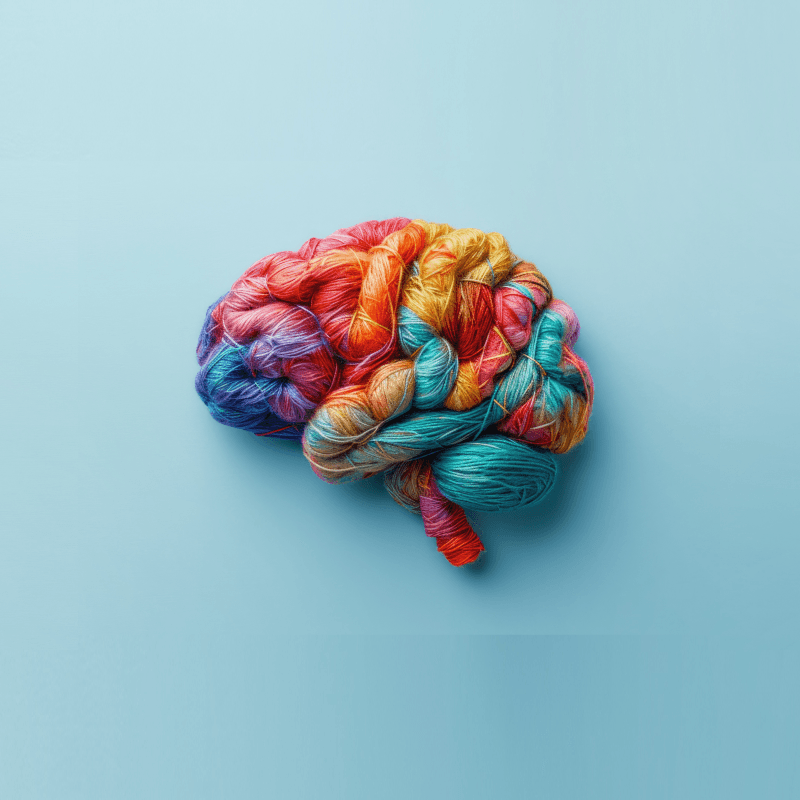
Understanding Neurodiversity
Neurodivergent people operate with different systems in their brains.
Neurotypical people have brains that function similarly to those of most of their peers.
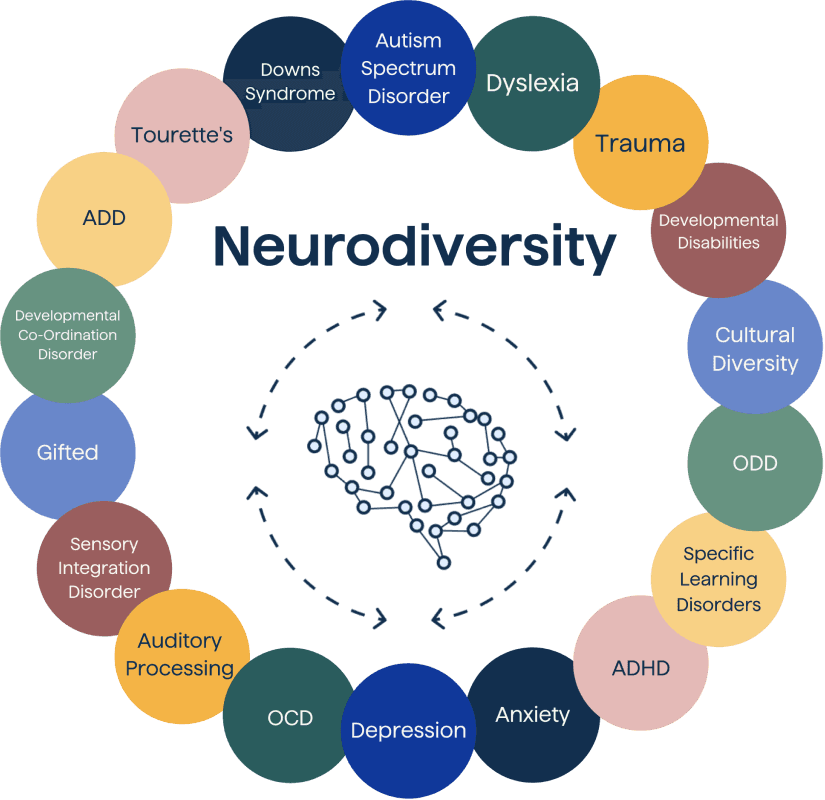
Depression and anxiety are comorbidities, but they may also be classified differently depending on the individual’s specific neurological makeup.
Research
Goals and needs of neurodivergent people.
Biggest pin points as neurodivergent.
Examples of inaccessible design for neurodivergent people.
Why do we need accessible neuroinclusive design. especially for consumption of copy and content.
Goals and needs of neurodivergent people
(1) Visual CAPTCHA Challenges
Visual CAPTCHAs can be difficult to distinguish and understand for several reasons:
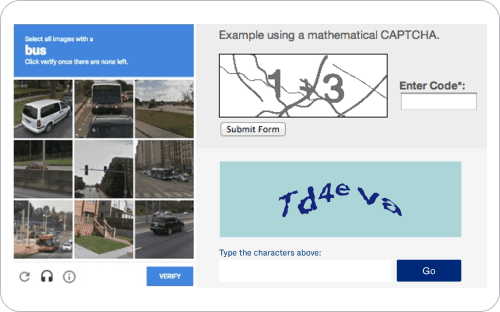
Fuzzy Letters: The letters and characters are often blurred or distorted, making it hard to identify which character they represent.
Image Recognition Tasks: Tasks like "click all the buses" or "identify the longest road" can be time-consuming and confusing. It's difficult to determine what qualifies as a bus, whether it be a coach, minibus, or school bus.
Complexity: The overall complexity and ambiguity of these tasks lead to user frustration and potential errors in solving the CAPTCHA.
Solutions:
Enhance Visual Clarity: Use clear characters that are easy to distinguish, without excessive blurring or distortion. Ensure that letters and numbers are spaced out and not overlapping.
Reduce Task Complexity: Design CAPTCHAs with minimal complexity. For instance, instead of identifying objects in multiple images, use single-image challenges with straightforward instructions (e.g., "Click the red car").
Multiple CAPTCHA Options: Allow users to select from various CAPTCHA types (e.g., text-to-speech, speech-to-text, or visual) based on their preference or needs.
Leverage User-Friendly CAPTCHAs: Implement user-friendly CAPTCHA alternatives like reCAPTCHA v3, which operates in the background and assesses user behavior instead of requiring explicit challenges.
(2) Joining Communities: Challenges and Solutions
When users consider joining online communities or subscribing to services, several concerns and challenges often arise:
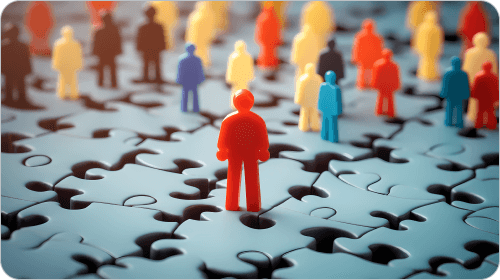
Fear of Not Fitting In: Users may worry about whether they will fit in with the community. They might question if they will be able to connect with other members or if the community aligns with their interests and values.
Content Relevance: There is often uncertainty about whether the content provided through the subscription will meet their needs and expectations. Users want to ensure that the information or resources they receive are valuable and relevant to them.

Financial Concerns: Financial worries can also be a significant barrier. Users might be hesitant to commit to an annual or lifetime subscription due to the cost, especially if they are not sure about the value they will receive.
Fear of Mistakes: Users might fear making a mistake during the sign-up process that leads to unintended commitments, such as accidentally selecting an annual or lifetime subscription that they cannot easily cancel.
Solution: Offer a Trial Period
To address these concerns, offering a trial period can be an effective solution:
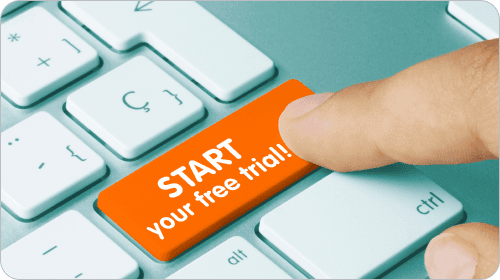
Trial Period Benefits: A trial period allows users to explore the community and its content without making a long-term financial commitment. This helps them assess whether the community is a good fit and if the content meets their needs.
Risk Reduction: By providing a risk-free trial, users can engage with the community and experience its benefits firsthand, which can alleviate fears of not fitting in or receiving irrelevant content.
Financial Flexibility: A trial period offers users the opportunity to evaluate the service without immediate financial pressure, making it easier for them to make an informed decision about whether to continue with a paid subscription.
Implementing a trial period can build trust and confidence, encouraging more users to join and engage with the community.
(3) Sensitivity to Light and Sound: Addressing User Needs in Minimalistic Apps
When users consider joining online communities or subscribing to services, several concerns and challenges often arise:

Light Sensitivity
Bright Backgrounds: Many apps and websites use white or bright backgrounds, which can be harsh on the eyes for users sensitive to light.
Lack of Dark Mode: Dark mode reduces eye strain by using darker colors for backgrounds and lighter colors for text. However, many websites and apps do not offer this option, forcing users to deal with the discomfort of bright screens.
Sound Sensitivity
Unexpected Sounds: Apps and websites often include sound notifications or background music, which can be startling or uncomfortable for users with sound sensitivities.
Missing Sound Controls: Many minimalistic apps lack comprehensive sound control options, such as the ability to mute notifications, adjust volume levels, or disable sound effects.
Solutions:
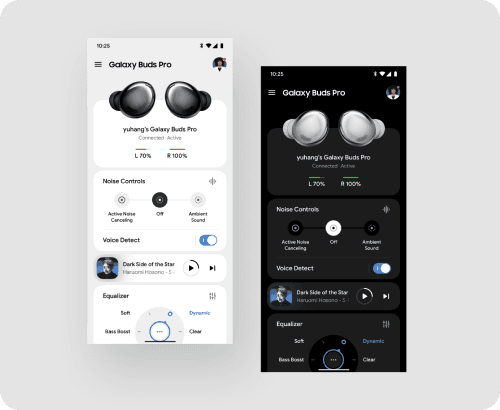
User Control: Allow users to toggle between light and dark modes to suit their preferences and reduce eye strain.
Accessibility: Incorporate dark mode as a standard feature, especially for apps or websites that are used frequently or for extended periods.
Mute Options: Include a clear option to mute all sounds within the app.
Volume Control: Allow users to adjust the volume of different sound elements, such as notifications, background music, and sound effects.
Sound Preferences: Enable users to customise their sound settings according to their comfort levels.
The most significant pain points for neurodivergent individuals
(1) General Lack of Awareness and Persistent Stereotypes in the Population
Neurodivergent individuals often face unique challenges when interacting with digital interfaces. A general lack of awareness and persistent stereotypes can exacerbate these difficulties, especially in common scenarios such as signing up for services. Here's an in-depth explanation:
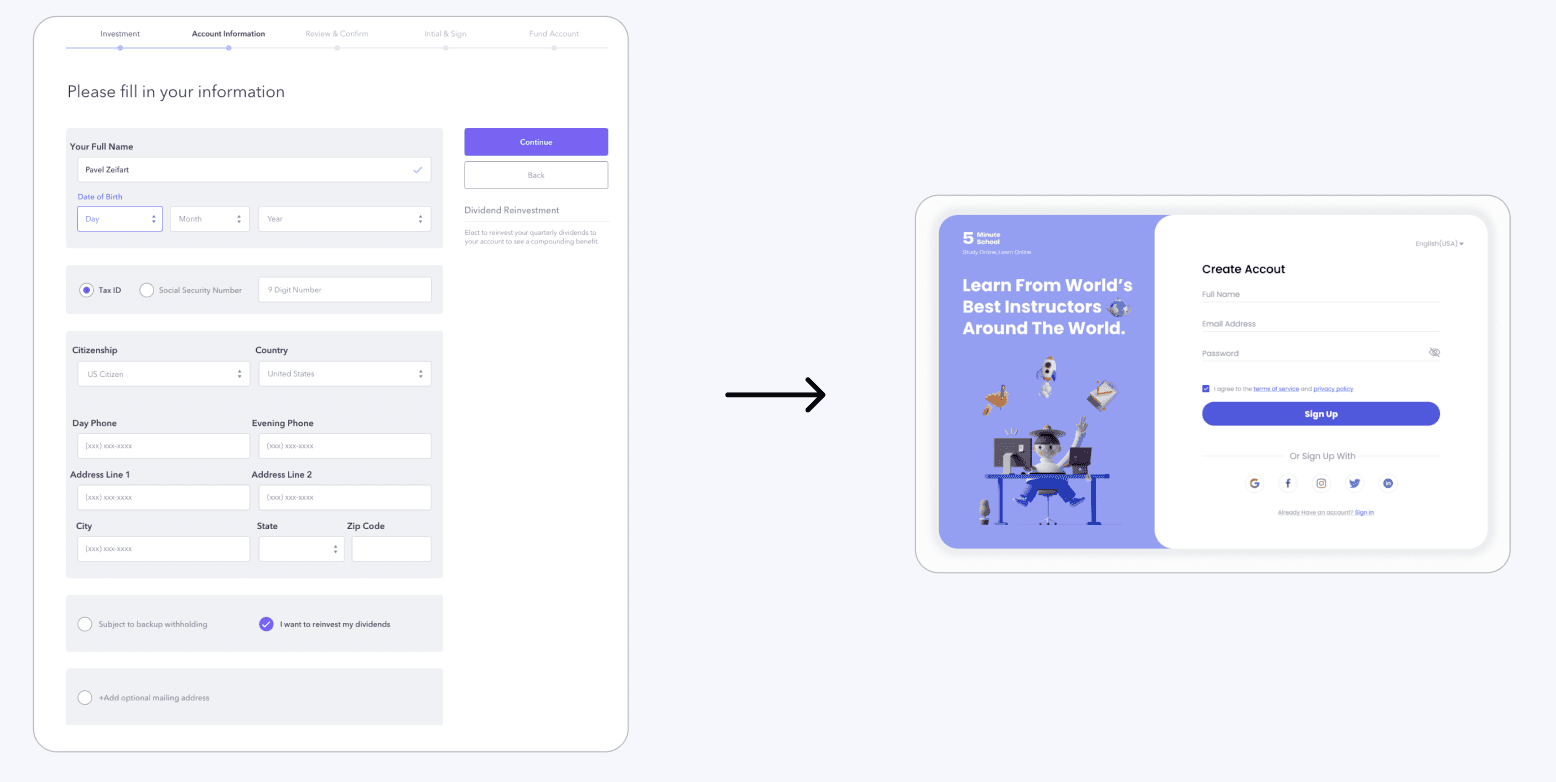
Complexity and Error-Prone Sign-Up Processes
Multiple Methods for Sign-Up:
Offering various methods to sign up can be confusing and overwhelming. Users may struggle to select the correct method, leading to errors and frustration.
Complex sign-up processes, with numerous fields and steps, increase the likelihood of mistakes. Each mistake can trigger multiple error messages simultaneously, making the experience even more daunting.
Offering various methods to sign up can be confusing and overwhelming. Users may struggle to select the correct method, leading to errors and frustration.
Complex sign-up processes, with numerous fields and steps, increase the likelihood of mistakes. Each mistake can trigger multiple error messages simultaneously, making the experience even more daunting.
Emotional Impact of Errors:
Internalised Shame: Neurodivergent individuals may internalise mistakes, believing they are personally at fault. This self-criticism is often rooted in past experiences where they were told they were not doing things correctly.
Negative Self-Talk: These negative perceptions can become an inner voice, reinforcing feelings of inadequacy. For example, every failed booking or error message may feel like a personal failure, causing significant emotional distress.
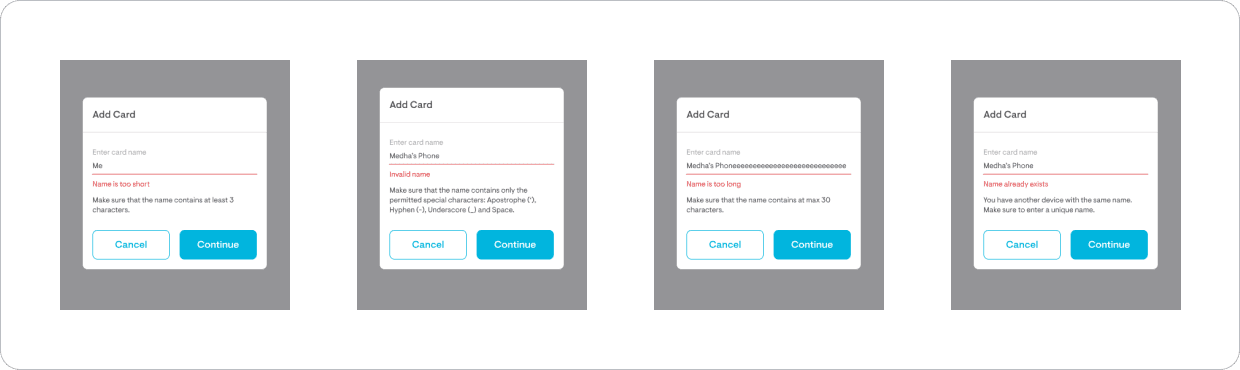
Reinforcement of Negative Beliefs:
Each error message or failed attempt can reinforce negative beliefs about oneself. Neurodivergent users may feel they are not capable or intelligent enough to complete the task, exacerbating feelings of shame and inadequacy.
Over time, the accumulation of these negative experiences can lead to a sense of defeat and diminished self-worth.
(2) Pacing and Pressure in Neurodivergent Individuals
For neurodivergent individuals, particularly those with ADHD, the experience of interacting with digital interfaces can be uniquely challenging due to differences in how they process and respond to stimuli. The pace that seems normal to neurotypical individuals can feel excruciatingly slow to neurodivergent people, creating a constant pressure to perform that eventually depletes their energy and capacity.
Constant Pressure to Perform

Neurodivergent individuals often feel a constant need to perform tasks efficiently. This ongoing pressure can lead to mental exhaustion, reducing their ability to focus and complete tasks..
The cognitive load of navigating a poorly designed interface can quickly drain their mental resources, leading to frustration and burnout.
Lack of Patience and Impatience
The lack of patience commonly associated with ADHD and other neurodivergent conditions is not just a superficial trait but a deeply felt experience. When faced with a slow or confusing interface, neurodivergent users can become quickly impatient.
This impatience is exacerbated when they cannot reach their desired outcome promptly, leading to feelings of frustration and defeat.
Boredom and Overwhelm

Neurodivergent individuals often oscillate between being unbelievably bored and completely overwhelmed. This can happen rapidly, especially when the interface does not provide clear and engaging paths to their goals.
ADHD users, for example, are continually searching for the next stimulating activity. If an interface is too slow or unresponsive, they may become bored and distracted, seeking instant gratification elsewhere, such as YouTube shorts or Instagram, leading to a feeling of paralysis.
Boredom and Overwhelm
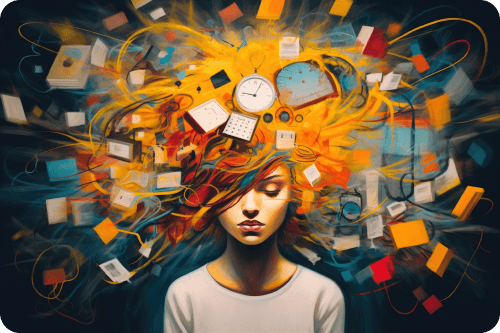
ADHD users, in particular, crave stimulation and are always looking for the next engaging activity. When a digital interface fails to provide this stimulation, they can feel paralyzed, unable to move forward with their tasks.
This paralysis can result in an evening spent aimlessly scrolling through social media instead of accomplishing meaningful tasks, leading to feelings of guilt and failure.
Examples of inaccessible design for neurodivergent people
(1) Big paragraph and longer text content is inaccessible and hard to identify:
Long paragraphs and extensive text content can often be challenging for users to read and comprehend, especially in digital formats where attention spans are shorter.
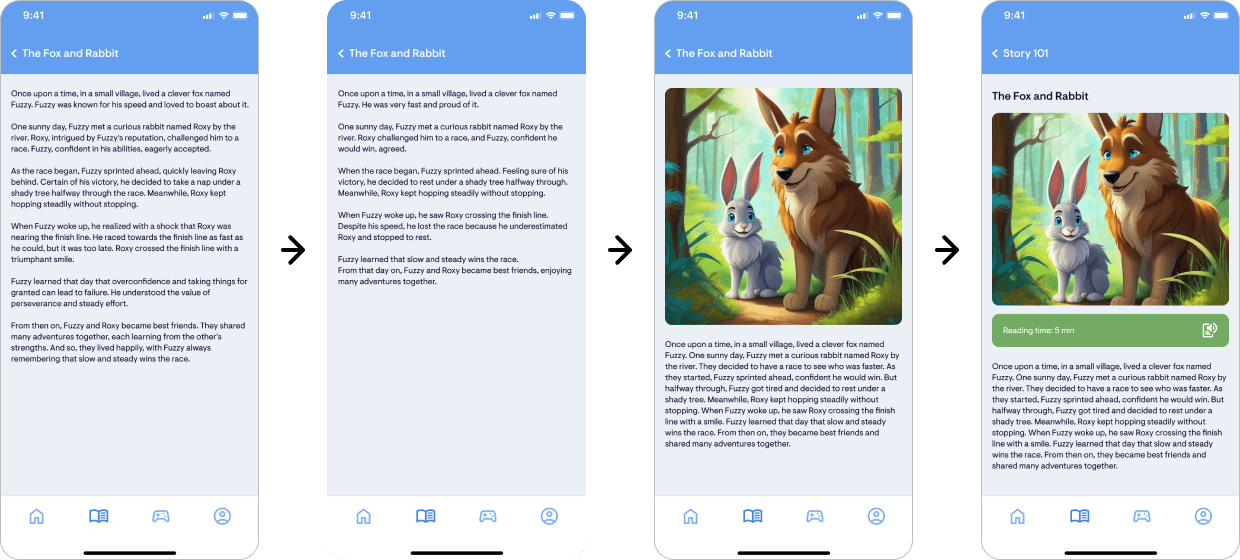
Inaccessibility of Long Paragraphs:
Cognitive Load: Large blocks of text can overwhelm users, increasing cognitive load and making it difficult to extract key information.
Attention Span: Users tend to scan content quickly, especially on digital platforms. Long paragraphs can deter users from reading through the content.
Advantages of Short Paragraphs and Infographics:
Engagement: Short, concise sentences and paragraphs are easier to read and understand, keeping users engaged.
Clarity: Breaking down information into smaller chunks helps in conveying the message more clearly.
Visual Appeal: Infographics combine text and visuals, making information more digestible and appealing. They can highlight key points effectively.
Implementing Text-to-Speech and Speech to Text Functionalities:
Accessibility: Text-to-speech can make content accessible to users with visual impairments or reading difficulties, allowing them to listen to the content instead.
User Convenience: Speech-to-text allows users to interact with content through voice commands, providing an alternative to typing and making the experience more convenient.
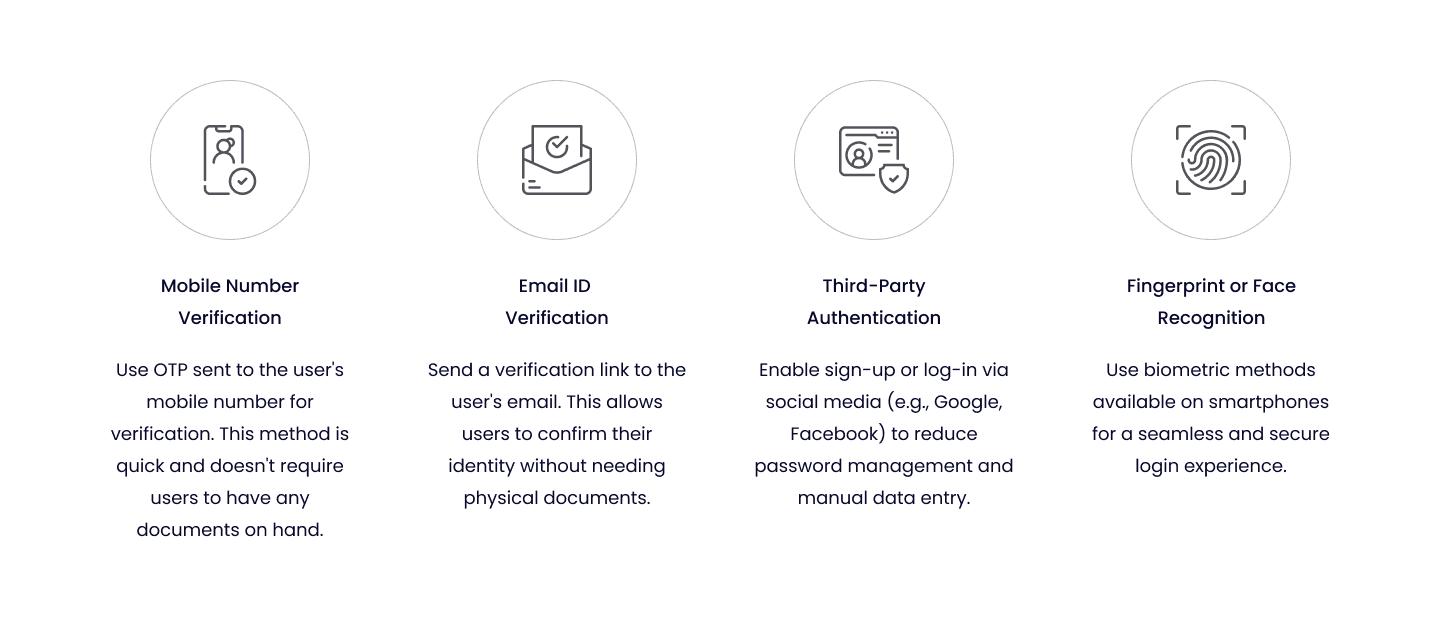
(2) Long sign-up forms that request all details at once can also be inaccessible:
Cognitive Overload: Long forms asking for multiple details at once can overwhelm users, making the process feel tedious and complicated.
Accessibility Issues: Users might not have the required documents (like ID cards or credit cards) on hand. Searching for these can be time-consuming and frustrating.
Anxiety and Frustration: If users can't find their documents or remember details like security codes, it can create anxiety, leading to a negative user experience.
Alternatives to Traditional Signup Methods
Minimal Required Information: Ask for only the essential information upfront. Additional details can be collected later in a user-friendly manner.
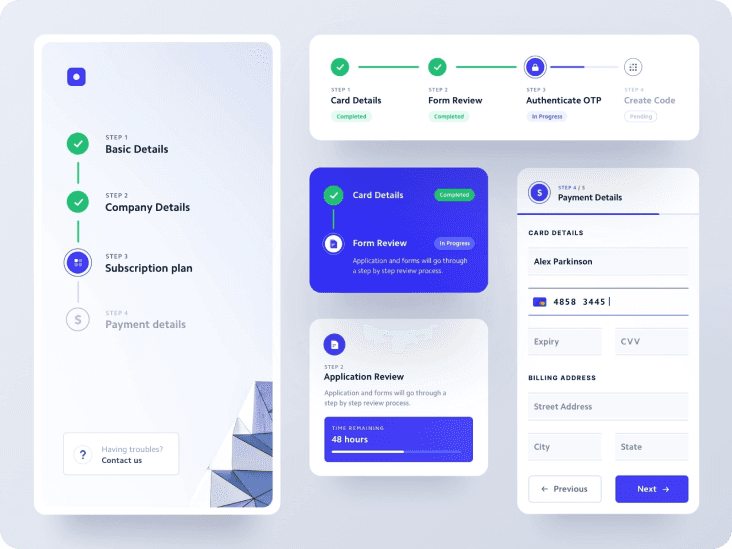
Progressive Disclosure: Break down the form into smaller steps or stages, revealing only a few fields at a time.
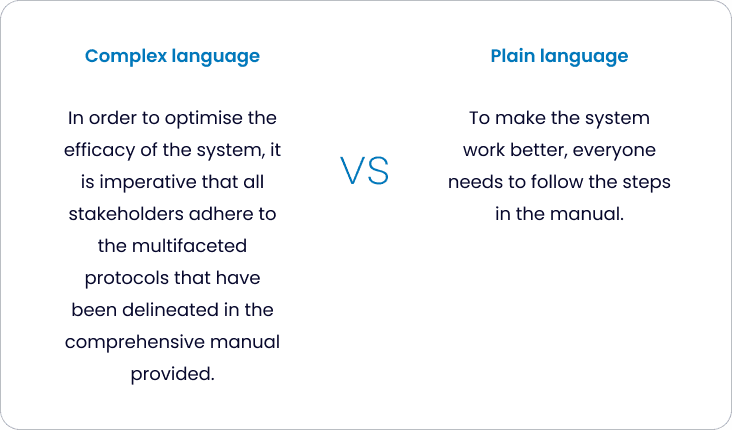
(3) Lack of plain language and cognitive load content is also inaccessible:
The use of plain language is crucial in making content accessible to all users. Plain language involves using clear and straightforward expressions that are easily understood by a wide audience. This practice helps reduce cognitive load, which refers to the mental effort required to process information. When content is complex or filled with jargon, it can overwhelm users, making it difficult for them to understand and engage.
Plain language avoids idioms and metaphors that can be misinterpreted or confusing, especially for non-native speakers or those with cognitive impairments. For example, instead of saying "kick the bucket," which is an idiom for dying, plain language would simply say "die."
Providing clear and concise instructions is a fundamental aspect of good UX design. Clear instructions guide users through tasks without confusion, ensuring they know exactly what to do at each step. Feedback is equally important; it should be straightforward and immediate, confirming that an action was successful or explaining what went wrong and how to correct it.
When users are required to read complex content, remember intricate details, or make decisions, their cognitive load increases. High cognitive load can lead to errors, frustration, and disengagement. To reduce cognitive load, it's beneficial to streamline information and decision-making processes.
One effective strategy is to break down information into smaller, manageable chunks. This makes it easier for users to process and remember. Additionally, using bullet points or numbered lists can help organise information clearly.
Whenever possible, shift tasks away from the user. Automate processes that don't require user intervention, provide defaults, and use predictive text to minimize the amount of information users need to input manually.
When users are required to read complex content, remember intricate details, or make decisions, their cognitive load increases. High cognitive load can lead to errors, frustration, and disengagement. To reduce cognitive load, it's beneficial to streamline information and decision-making processes.
Visual aids, such as infographics and icons, can complement plain language by providing visual cues that help users understand and remember information more easily. Consistent design elements across your interface also aid in recognition and reduce the need for users to re-learn navigation patterns.
How we all people benefit from neuroinclusive design
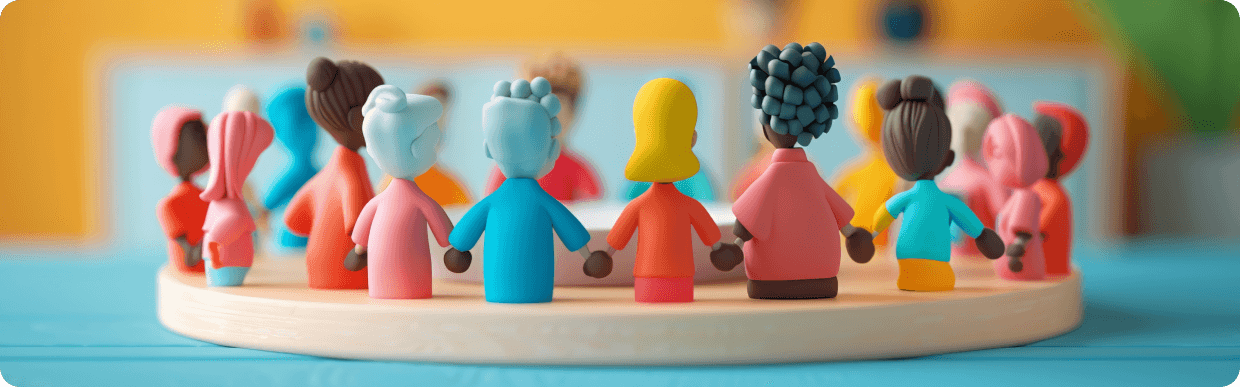
Accessible design benefits everyone, and few would argue for more complex design. Many challenges faced by neurodiverse individuals also affect those with anxiety, depression, or a history of trauma. Considering the prevalence of these conditions, accessible design serves and includes at least half the population. Neurodiverse struggles are not exclusive; neurotypical individuals may face similar issues, albeit to a lesser degree. Creating accessible content ensures it is understandable and usable for everyone. We emphasize accessible content because it involves making attributes user-friendly. Inclusive design means thinking about how to accommodate more people, ensuring that the design works for the intended audience. This approach broadens the reach and effectiveness of the design, making it beneficial for a diverse user base. In essence, accessible content and inclusive design foster an environment where more people can interact with and benefit from the product or service, enhancing overall user satisfaction and engagement.
Comorbidities
Accessible design benefits everyone, and few would argue for more complex design. Many challenges faced by neurodiverse individuals also affect those with anxiety, depression, or a history of trauma. Considering the prevalence of these conditions, accessible design serves and includes at least half the population. Neurodiverse struggles are not exclusive; neurotypical individuals may face similar issues, albeit to a lesser degree. Creating accessible content ensures it is understandable and usable for everyone. We emphasize accessible content because it involves making attributes user-friendly. Inclusive design means thinking about how to accommodate more people, ensuring that the design works for the intended audience. This approach broadens the reach and effectiveness of the design, making it beneficial for a diverse user base. In essence, accessible content and inclusive design foster an environment where more people can interact with and benefit from the product or service, enhancing overall user satisfaction and engagement.
Intersectionality
Neurodivergent individuals represent a diverse spectrum, encompassing various skin colors, genders, and life experiences. This diversity must be considered because intersectionality often amplifies the challenges faced by those who belong to multiple minority groups, including being neurodivergent. Additionally, neurodivergence often comes with co-occurring conditions, further complicating these experiences.
These individuals exemplify how neurodivergence can be a source of strength, driving creativity, innovation, and resilience in their respective fields.

Elon Musk: Diagnosed with Asperger's syndrome, Elon Musk has revolutionized multiple industries as the CEO of Tesla and SpaceX. His neurodivergence has contributed to his intense focus and innovative thinking, enabling him to challenge norms and push the boundaries of technology.
Emma watson: Known for her role as Hermione Granger in the "Harry Potter" series, Emma Watson has ADHD. Her condition has not hindered her; instead, it has fueled her passion for activism and her pursuit of a degree from Brown University, making her a leading voice in gender equality and education.
Jim Carrey: The iconic comedian and actor, Jim Carrey, has been open about his experiences with ADHD and depression. His unique perspective and energy have allowed him to create memorable characters that resonate with audiences worldwide, cementing his place as a comedy legend.
Greta Thunburg: Greta Thunburg: Diagnosed with Asperger's syndrome, Greta Thunberg has become a global symbol of climate activism. Her neurodivergence has empowered her with a laser-sharp focus on environmental issues, inspiring millions to take action for the planet.
Justin Bieber: Justin Bieber, who has publicly discussed his struggles with ADHD and anxiety, has managed to become one of the world's most successful pop stars. His neurodivergence has been part of his journey, shaping his music and his connection with fans.
Designing for neurodiversity not only enriches user experiences but also fosters a more inclusive digital environment. By embracing diverse cognitive and sensory needs, we create content and interfaces that are accessible, engaging, and supportive for all users. This approach not only reflects a commitment to equality but also drives innovation, ensuring that technology serves everyone effectively and empathetically. As we continue to refine our designs, keeping neurodiversity at the forefront will lead to a more equitable and connected world.
Explore the entire project: Click Here ➡️