EV Research - European Countries
To understand the EV charger and smart home energy system sector in European countries, we conducted a literature review on the current and future market trends in smart energy systems and EV charging. Additionally, we carried out market research and a competitive analysis of existing companies already operating in the European market.
Contexts
To understand the EV charger and smart home energy system sector in European countries, we conducted a literature review on the current and future market trends in smart energy systems and EV charging. Additionally, we carried out market research and a competitive analysis of existing companies already operating in the European market.
As the next step, we plan to conduct qualitative and quantitative research with installers and EV charger owners to gain deeper insights into their needs, pain points, and expectations. This will help us identify how smart home energy systems and EV chargers can effectively address their challenges and which features are missing in existing apps to enhance their overall experience.
Methodology
Literature Review and Competitive Analysis
Qualitative Research with Installers
Qualitative and Quantitative Research with Users
Literature Study
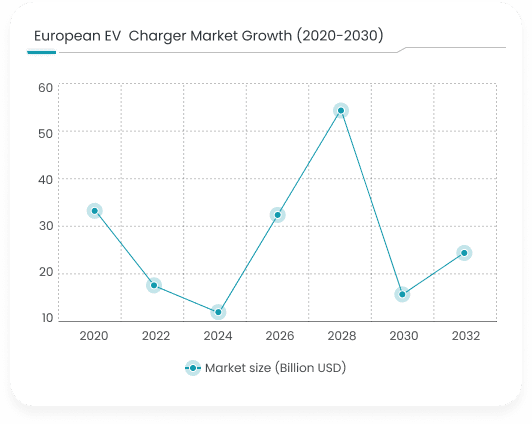
The European EV charging market has seen rapid growth, reaching $31.54 billion in 2020. By 2021, Europe had 224,237 public chargers, with top markets being the Netherlands, Germany, and France. In 2023, this number grew to 755,800 chargers. By 2024, the market was valued at $10.8 billion, with strong momentum.
Looking ahead, the market is projected to hit $56.03 billion by 2029 (31.5% CAGR) and $13.53 billion by 2030, continuing its expansion. By 2034, it is expected to reach $30 billion, growing at 29.3% CAGR. Investments in fast charging, smart solutions, and renewable integration will further drive growth, solidifying Europe’s EV infrastructure leadership.
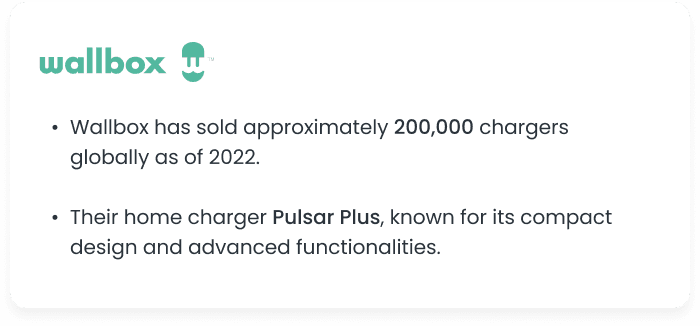
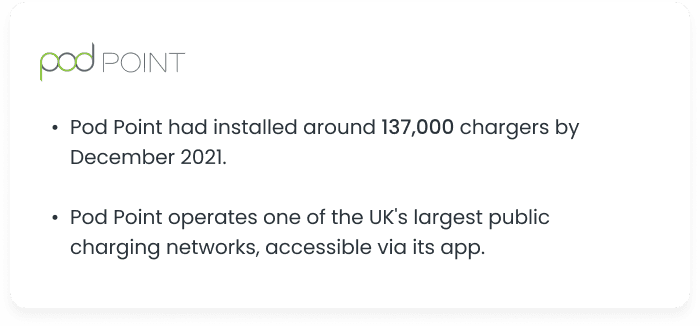
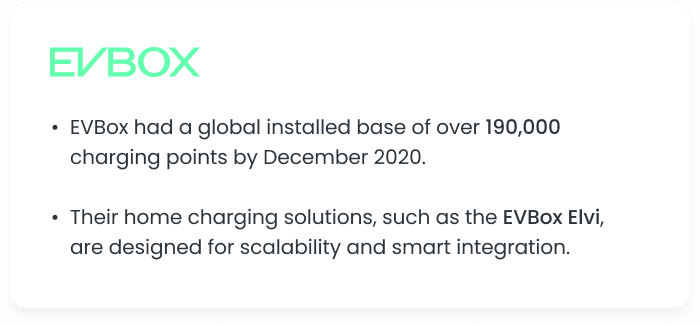
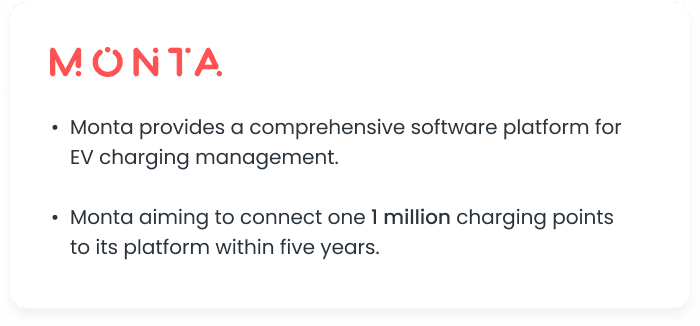
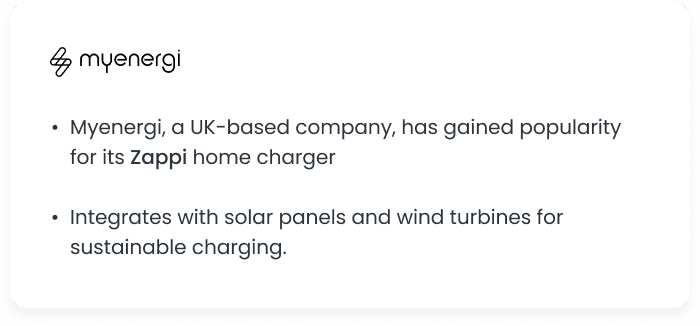
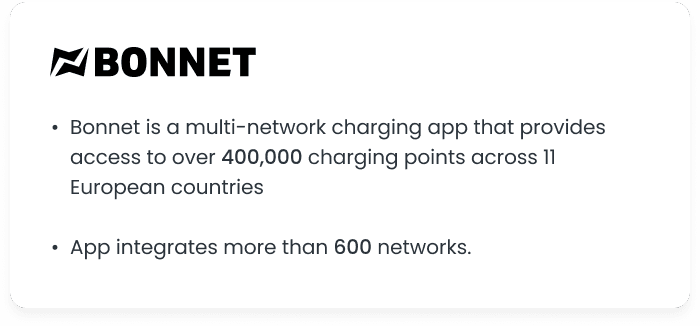
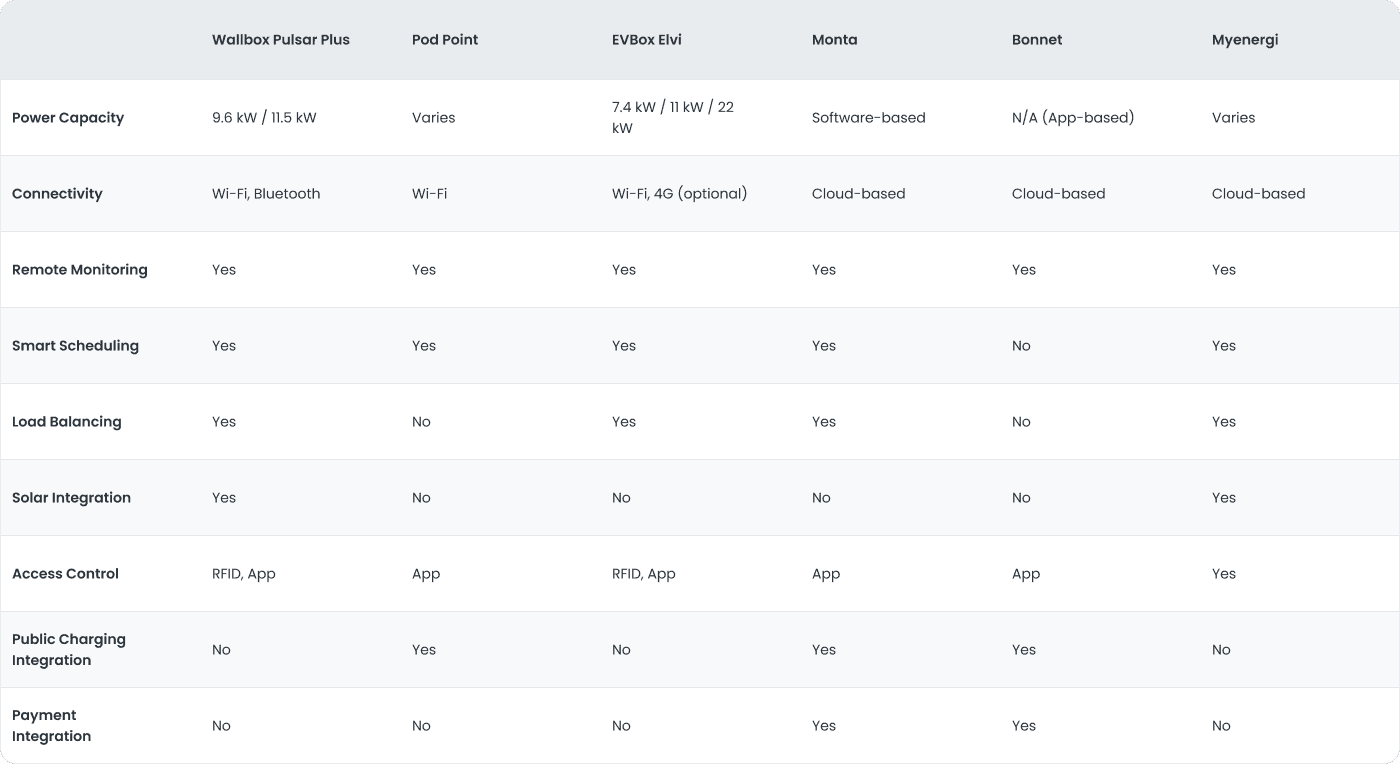
Top 5 EV Charger companies dominating the European market
Compatible Analysis
Qualitative Interview with EV Charger Installers
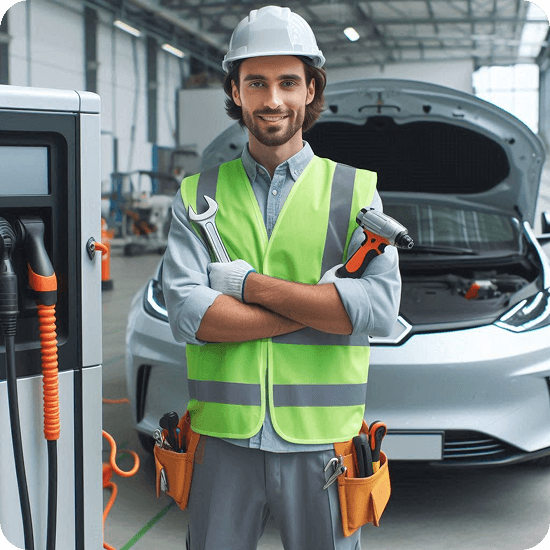
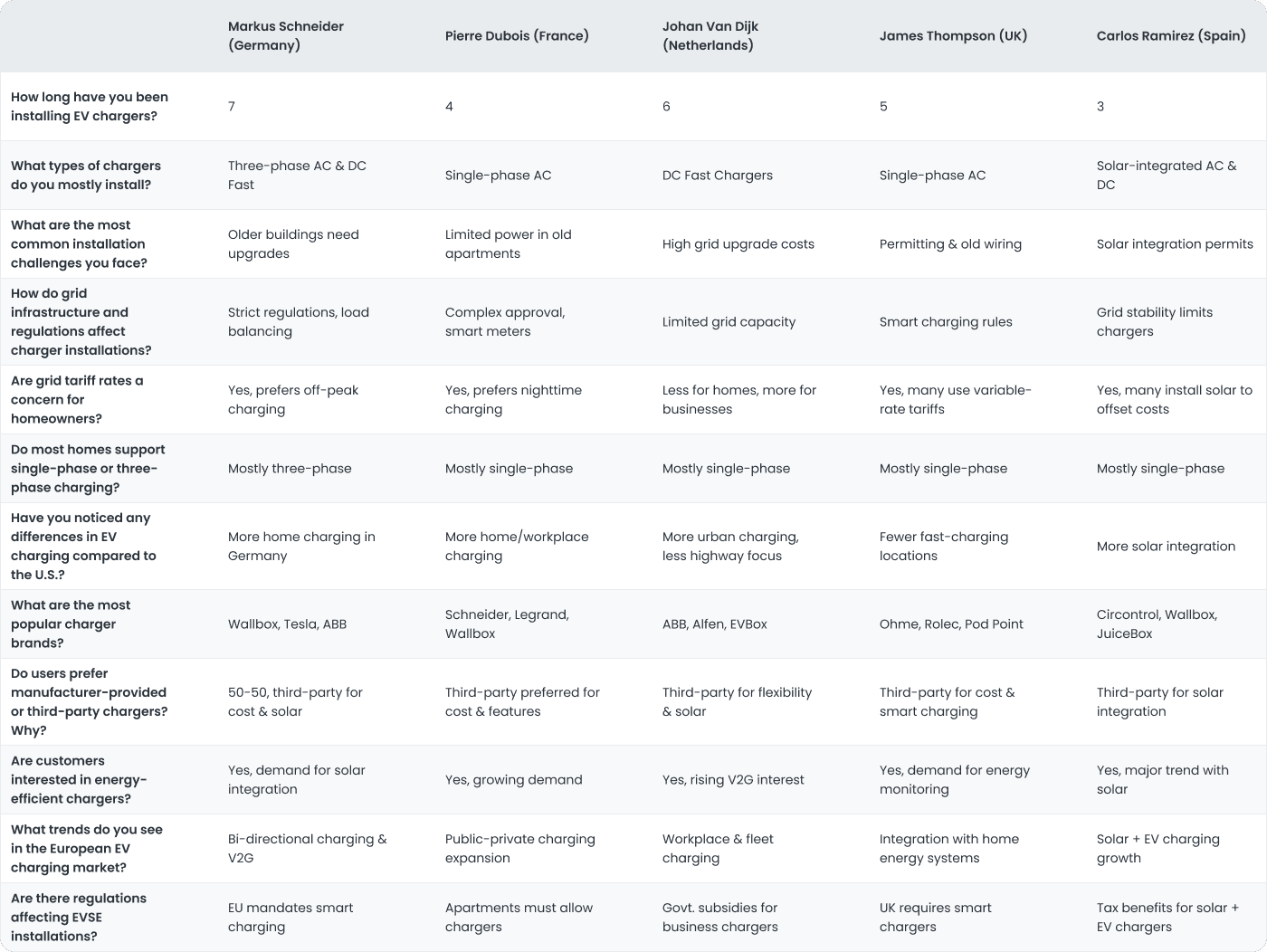
We conducted in-depth qualitative interviews with experienced EV charger installers across Europe to better understand the current market dynamics, installation trends, and regional variations. These discussions provided valuable insights into the challenges installers face, including technical difficulties, regulatory hurdles, and customer expectations. Additionally, we explored key user pain points, such as installation complexities, charging reliability, and energy efficiency concerns. This research aims to highlight opportunities for improving the EV charging ecosystem from both an installer and end-user perspective.
Key Interview Questions
How long have you been installing EV chargers?
What types of chargers do you mostly install?
What are the most common installation challenges you face?
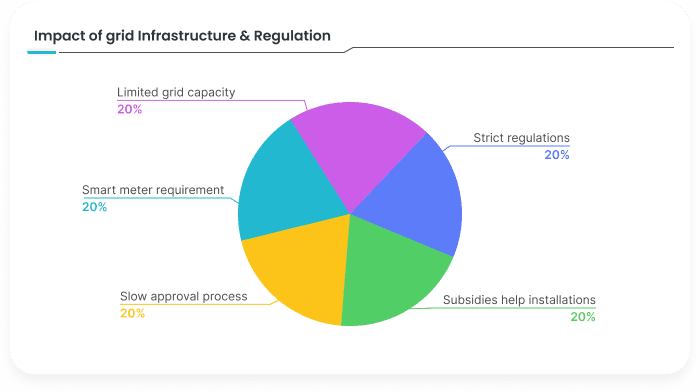
Are grid tariff rates a major concern for homeowners? how do they manage it?
Do most homes support single-phase or three-phase charging?
What are the most popular EV charger brands among users in your country?
Do users often prefer manufacturer-provided chargers or third-party chargers? Why?
What are the key reasons users opt for third-party chargers? (Cost, features, compatibility, etc.)
Are customers interested in energy-efficient chargers with smart grid integration?
What trends do you see in the European EV charging market?
Are there any regulations or policies affecting EVSE installations?
Statstics
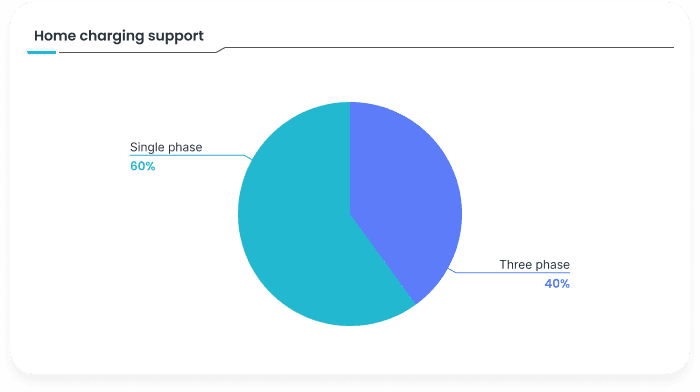
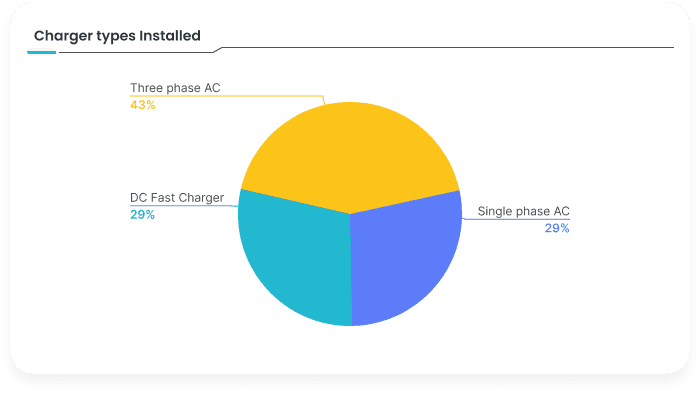
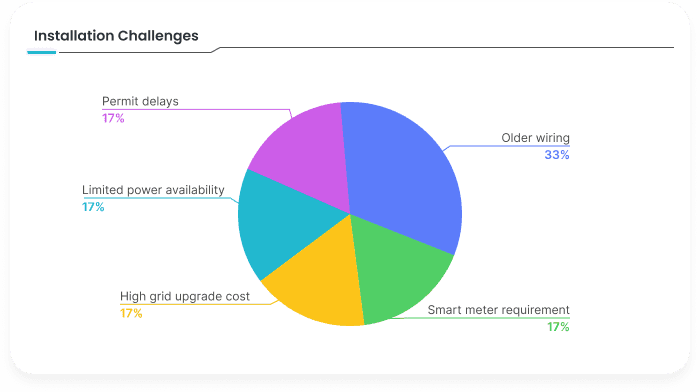
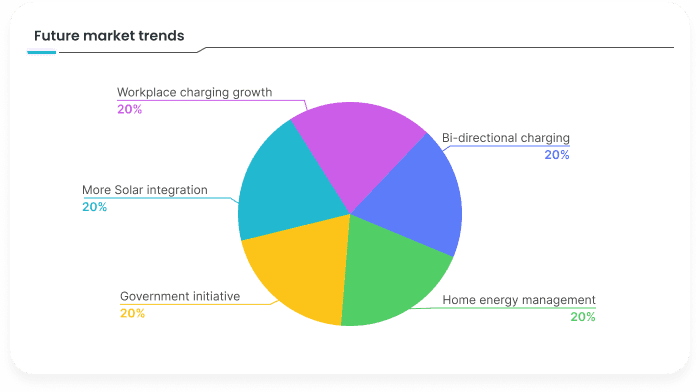
Qualitative and Quantitative Research with Users
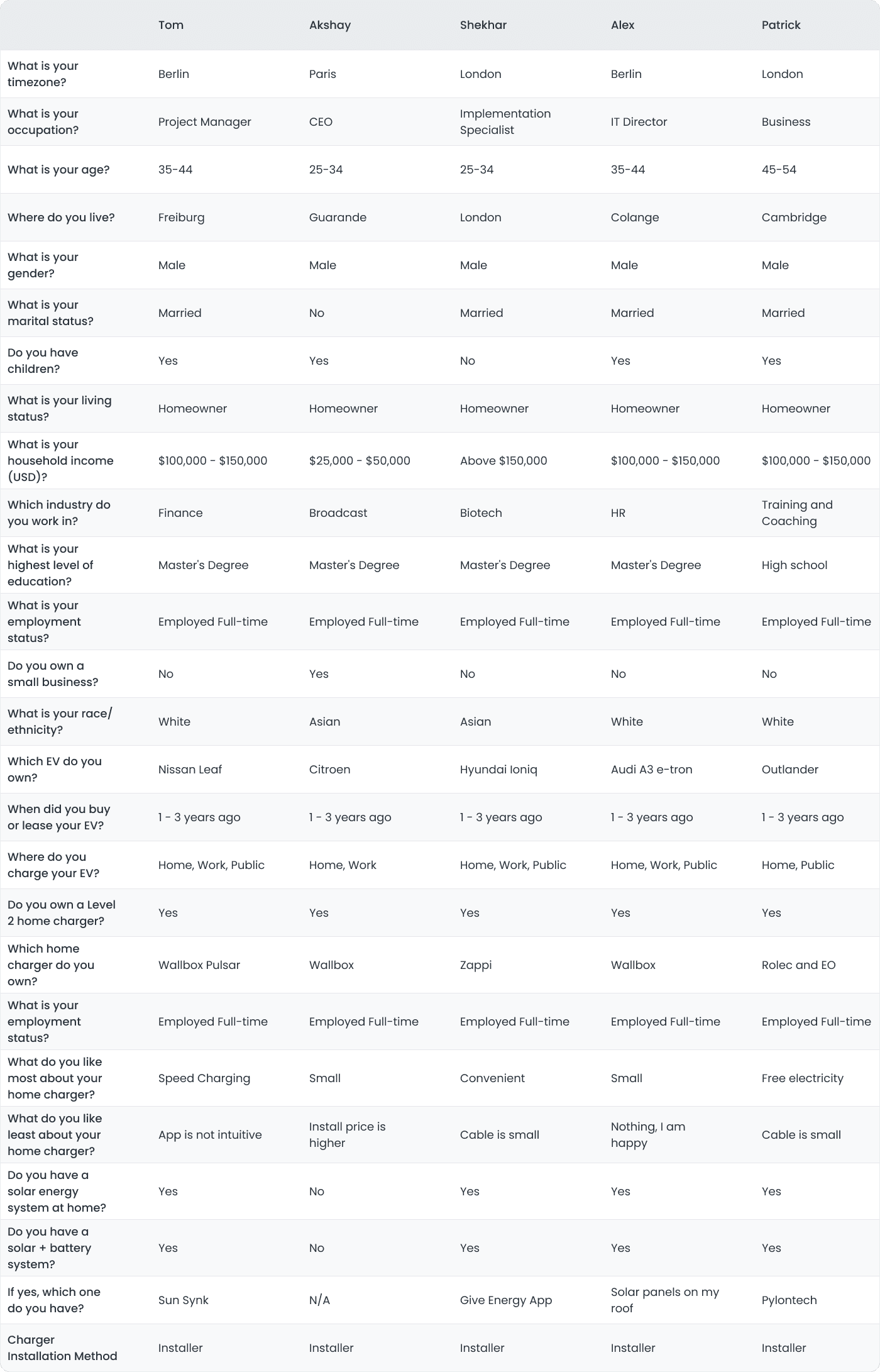
We conducted both qualitative and quantitative interviews with EV charger users across Europe to gain a comprehensive understanding of their experiences, expectations, and challenges. Through qualitative discussions, we explored their motivations for adopting EV chargers, key pain points, and expectations regarding charging capacity, convenience, and future improvements. Additionally, our quantitative research gathered measurable data on usage patterns, satisfaction levels, and performance concerns. This combined approach provides valuable insights to enhance the overall EV charging experience.
Key Interview Questions
What type of EV do you own? (BEV/PHEV)
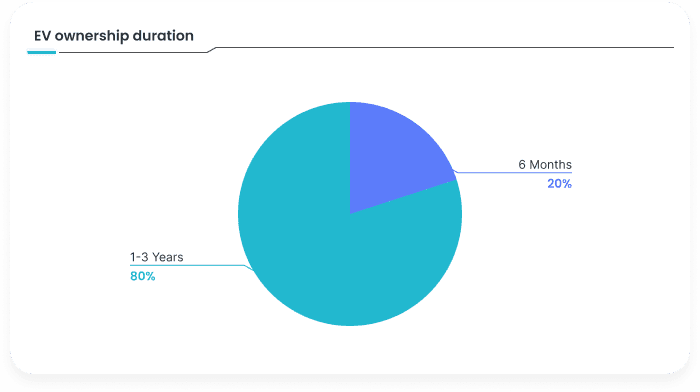
How long have you been using an EV?
What factors influenced your decision to purchase an EV?
How do you currently charge your EV? (Home, Work, Public stations, etc.)
Do you own a home charger? If yes, which brand and model?
How often do you charge your EV at home vs. public stations?
What challenges do you face when charging at home?
Are you aware of grid tariff rates for EV charging in your country?
Have you experienced any issues with grid limitations while charging?
Do you use dynamic pricing or time-of-use tariffs for charging?
What features do you look for when purchasing an EV charger? (e.g., smart charging, energy-saving modes, solar integration)
Have you considered third-party EV chargers instead of those provided by your car manufacturer? Why or why not?
Do you prefer single-phase or three-phase chargers? Why?
Would you be interested in a charger that helps reduce energy costs by optimising charging schedules?
User Interviews

Survey Questions

Statstics
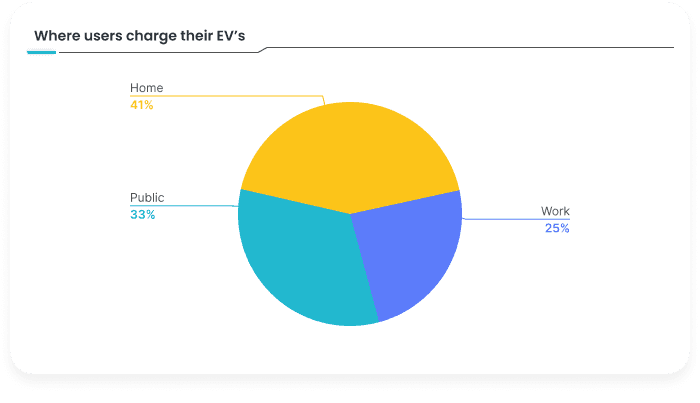
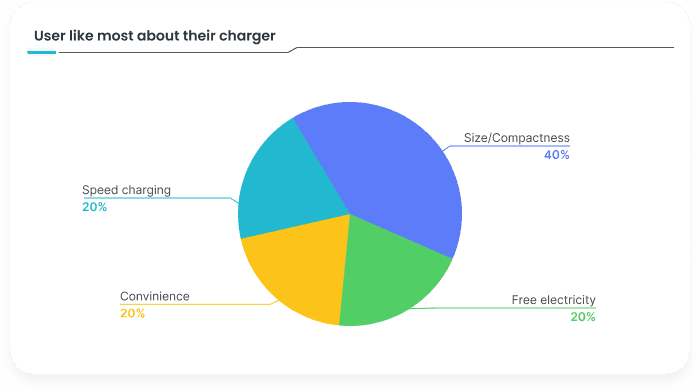
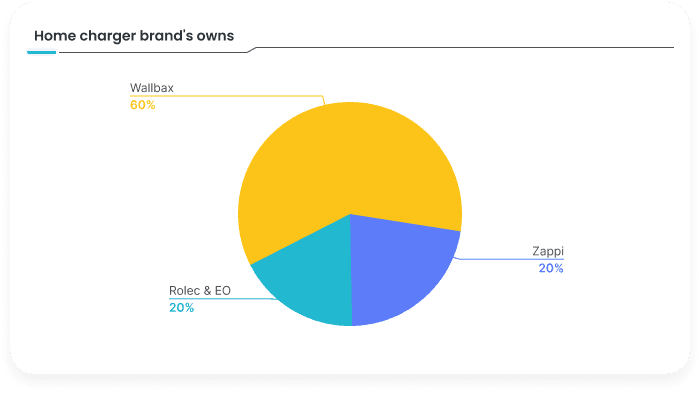
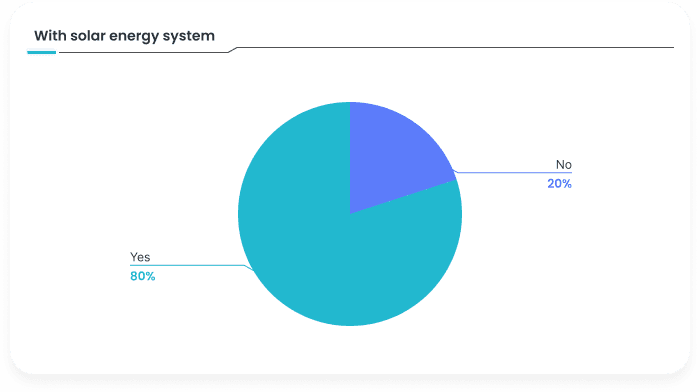
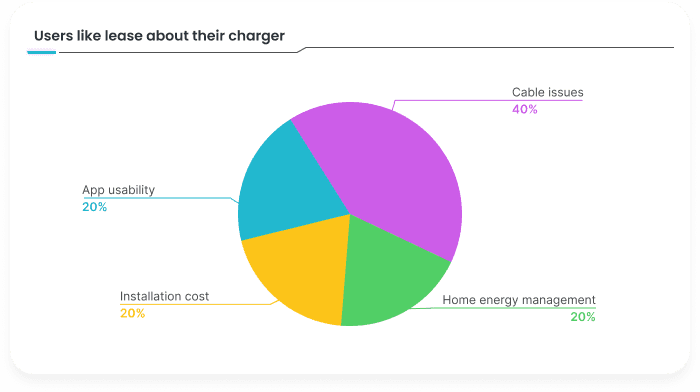
Analysis Result points & Improvements
Charger Level Enhancements
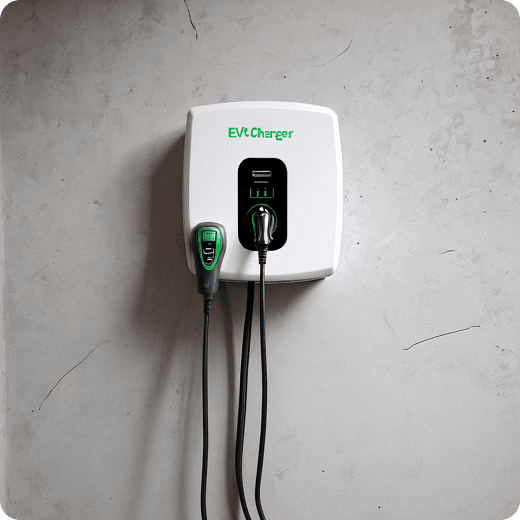
Cable Length Optimization: Some users complained about short cables, so we introduced an option in all charger models, allowing them to choose their preferred cable length: 5m, 7m, 10m, 15m, or 20m.
Installation Cost & Simplicity: High installation costs were a concern. Explore partnerships with local electricians or provide DIY-friendly solutions to reduce costs.
Faster Charging & Efficiency: Users value speed. Optimizing power management to reduce charge time while balancing grid loads will be a key differentiator.
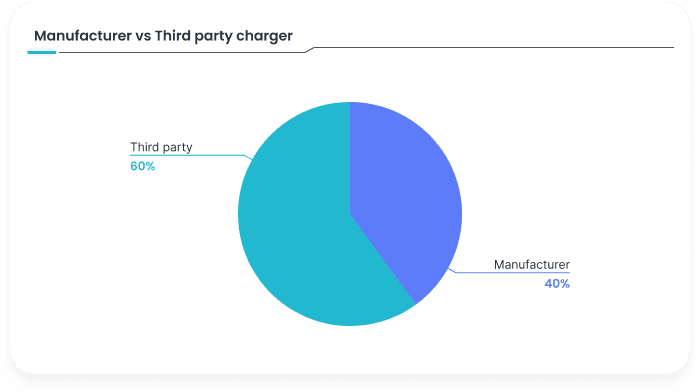
Better Third-Party Compatibility: Some users prefer third-party chargers for cost and features. Ensuring interoperability with multiple brands could attract more buyers.
App Level Improvements
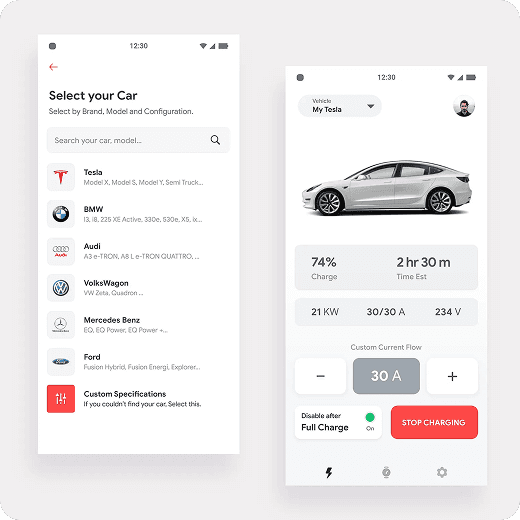
More Intuitive App Design: Some users find apps non-intuitive. A streamlined UI with better navigation, clearer energy insights, and simplified controls is needed.
Remote Charging Controls: Allow users to schedule and monitor their charging from anywhere, optimizing energy usage and tariffs.
Integration with Solar & Battery Systems: sUsers with solar want better management of charging based on energy availability. Real-time solar integration is crucial.
Tariff-Based Charging Optimization: Implement features to automatically charge during off-peak hours based on dynamic grid tariffs, reducing user costs.
Market Readiness & User Scenario Enhancements
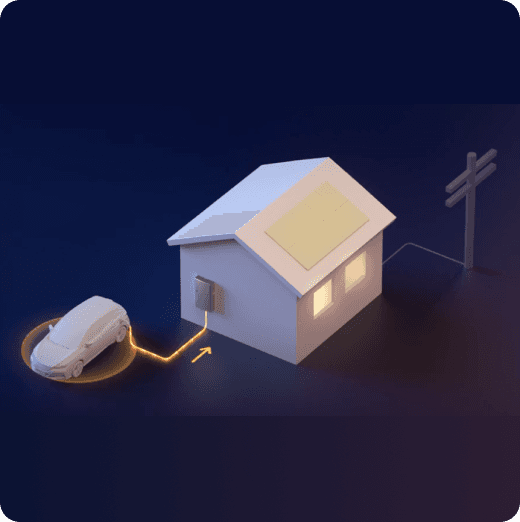
European Market-Specific Compliance: Ensure chargers comply with regional grid regulations and incentives in different EU countries to simplify adoption.
Smart Grid & V2G Readiness: As Vehicle-to-Grid (V2G) technology gains traction, having chargers that support bidirectional energy flow will future-proof your product.
Explore the entire project: Click Here ➡️